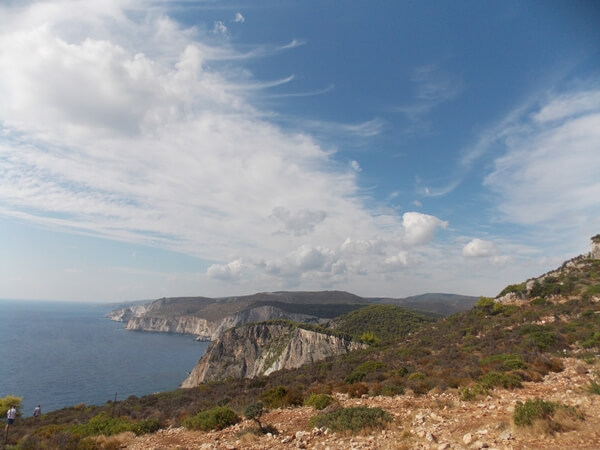
Planning on going hiking? Make sure you check our hiking tips and checklist. Before putting your boots on, there are a few essential things to consider.
Hiking Tips and Tricks for Beginners
Planning the Hike
The first step in hiking is planning your trip!
Every time we look at a great picture with a wonderful landscape there is the feeling that we want to be there and see that view with our own eyes. To get there, though, in most of the cases it will involve a trip and most probably a hike. Time-wise, this hike can obviously vary from a couple of hours to days of walking.
The paths will also vary from easy, like a walk in a park, to very difficult, climbing up steep trails. We will talk about what type of trail you can tackle depending on one’s health condition and endurance a little later.
If the hike you want to do is short, safe and you did it before there is no need for you to do any more research. Get off the couch and hit the trails!
If you’re planning for a new hike, then you might find the following hiking tips useful:
- for easy & short hikes pack as few items as possible or nothing at all, keeping in mind necessary medicine you have to take with you all the time.
You won’t be needing an extra pair of boots for that 2-hour trip you want to do nor another sunscreen.
- for only a day-long hikes try to take with you a 20-30l backpack that you carefully fill with necessary items only.
A packing checklist will be beneficial and you can find one recommended by us in the next sections of this article.
- for a few days hike you will be needing a bigger backpack (>40l) and will have to pack more things depending on where you’re planning to camp, what you will eat, etc.
- for making the most of your trip, it is recommended to find an easy way to travel (car, bus, train) to the closest point of the trail and only start hiking from there, thus avoiding to walk along a road/sidewalk as much as possible.
- always follow marked trails and watch out for signs.
There are different types of trail marks (most commonly, there are painted shapes/stripes on trees & rocks) and if you’ve never encountered one, it is probably better to do more research and take someone experienced with you.
- take a trail map with you as there are 99% chances you will need it.
- a GPS nowadays seems to be very popular and can be a helpful tool as well.
- research about your hike: wildlife, trail difficulty, campsites, mountain huts & lodges, etc.
- always stick with your group and find traveling companions that you trust and are fit for the hike.
Being Fit for the Hike
I can tell you, based on personal experience, that almost everyone can hike. As a former scout, I have been on quite a few hikes with different trail difficulties and I can assure you that everyone can start from an easy level and with experience you can gain the endurance to walk for an entire day, for several days in a row. Now, this does not mean that you can get on top of the Everest straight away but once the hiking trill gets in your system, it’s very hard not to desire more and more.
Even if you’re not fit at all you can start from scratch and do long walks in the park. Once these seem easy to you, start planning the hike and take a few reliable companions with you.
The 1st hike you do has to be short – a few hours, with a minimum amount of items in your backpack. Try to repeat the hike without the actual backpack and only have the essentials (medicine, energy bars & water).
Start increasing the trail difficulty but keep it in a day-long walk.
At this stage, the hiking “virus” should be in your blood already and you’ve probably increased your fitness level. Next, try to plan longer hikes and try to find accommodation in mountain huts before going for the tent.
Packing Your Backpack
The checklist I recommend might be considered insufficient for the more experienced hikers that will read this article. However, this contains essential items (safety wise) that should be in you backpack for a trip that lasts only a day:
- Backpack with waterproof cover;
- Waterproof (recommended) boots;
- Map (with protective case) + GPS (optional) & Altimeter (optional);
- Compass;
- Sunscreen & Lip balm (you will find plenty of sun and wind while climbing up a mountain);
- Sunglasses (I never leave without them);
- Waterproof (recommended) Jacket, vest (you will find windstoppers a great replacement), trekking pants, long underwear, gloves, hat, spare socks (trekking socks are recommended);
- Headlamp or flashlight with extra batteries;
- First-aid kit (see available hiking First-Aid Kits);
- Matches or lighter;
- Waterproof container;
- Firestarter (for extra safety);
- Knife and/or multi-tool;
- Food supplies for an extra day;
- Water bottles or hydration system (a very good alternative if your backpack can accommodate it);
- Water filter (in case there is no fresh water/spring in the area);
- If the hike is in a place where the following are recommended: tent/bivouac sacks, reflective blanket;
- Medicine.
Among our hiking safety tips we have for you, storing the useful items in accessible places comes first. These include map, compass, water bottle, knife, first aid kit, lighter/matches, medicine, immediate food supplies.
Place the things you need the less on the lower part of your bag. Before you go hiking, balance the weight so when you lift it on your back and adjust the straps, it feels comfortable.
Extra reading: take a look at our ultimate packing checklist and tips for the perfect backpacking experience through Europe.
Hope you enjoyed our hiking tips for beginners. For any questions or suggestions, feel free to drop a line in the comment section below. Happy hiking, everyone!
Leave a Reply